
Introduction
In today’s unpredictable world, resilience isn’t just a buzzword—it’s a necessity. Businesses, governments, and even individuals must be prepared to handle disruptions, whether they come from cyberattacks, natural disasters, economic crises, or unexpected operational failures. That’s where the resilience lifecycle framework steps in.
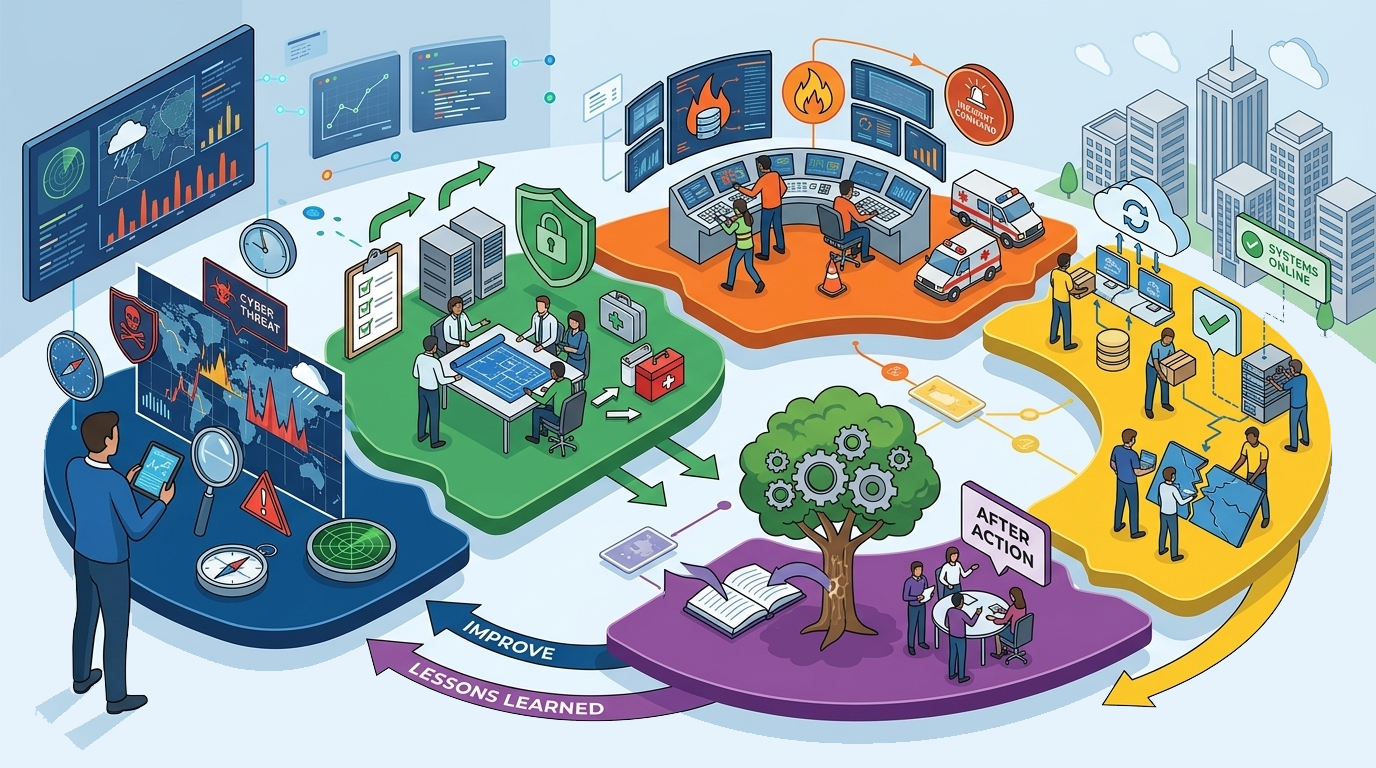
So, what are the 5 key stages of resilience lifecycle framework? In simple terms, this framework outlines a structured approach that helps organizations anticipate risks, prepare for disruptions, respond effectively, recover quickly, and adapt for the future. It provides a roadmap for managing uncertainty while maintaining stability and continuity.
Rather than reacting to problems after they occur, the resilience lifecycle framework encourages proactive planning and continuous improvement. By following these five stages, organizations can reduce downtime, protect resources, and strengthen their ability to bounce back from adversity.
In this comprehensive guide, we’ll explore the five key stages of the resilience lifecycle framework, explain how each stage works, and discuss why this approach is essential for long-term sustainability.
Understanding the Resilience Lifecycle Framework
Before diving into the stages, it’s important to understand what resilience really means in this context.
Resilience refers to the ability of a system, organization, or individual to anticipate, withstand, recover from, and adapt to disruptions. The resilience lifecycle framework provides a structured process to achieve this capability.
The framework typically includes five stages:
-
Identify and Assess Risks
-
Prepare and Plan
-
Respond to Disruption
-
Recover and Restore
-
Adapt and Improve
Each stage plays a vital role in ensuring that systems remain functional even in the face of challenges.
Stage 1: Identify and Assess Risks
The first step in answering the question what are the 5 key stages of resilience lifecycle framework begins with identifying potential threats and vulnerabilities.
Why Risk Identification Matters
You can’t prepare for a problem if you don’t know it exists. This stage focuses on understanding possible risks that could disrupt operations.
Organizations typically analyze:
-
Operational risks
-
Cybersecurity threats
-
Natural disasters
-
Supply chain interruptions
-
Financial uncertainties
-
Technological failures
Risk Assessment Process
The risk assessment stage usually involves:
-
Data collection: Gathering information about possible threats.
-
Impact analysis: Evaluating how severe each risk could be.
-
Probability estimation: Determining the likelihood of occurrence.
Example
A company dependent on global suppliers might identify risks such as:
-
Shipping delays
-
Political instability
-
Raw material shortages
By identifying these risks early, the organization can develop strategies to mitigate them before they escalate.
Stage 2: Prepare and Plan
Once risks are identified, the next stage focuses on creating strategies to deal with them. Preparation ensures that when disruption occurs, the response is organized rather than chaotic.
Key Components of the Preparation Stage
Preparation typically includes:
-
Business continuity planning
-
Emergency response strategies
-
Resource allocation
-
Communication protocols
-
Training and simulations
Business Continuity Planning
Business continuity planning (BCP) outlines how operations will continue during disruptions. It may include:
-
Backup systems
-
Alternative suppliers
-
Remote work procedures
-
Data recovery plans
Training and Testing
Preparation also involves testing plans through drills or simulations. These exercises help teams understand their roles and identify weaknesses in existing plans.
Why Preparation Is Crucial
Organizations that prepare effectively can:
-
Reduce downtime
-
Protect critical assets
-
Maintain customer trust
-
Minimize financial losses
Stage 3: Respond to Disruption
The third stage of the resilience lifecycle framework involves taking immediate action when disruption occurs.
Even the best planning cannot prevent every crisis, but a well-coordinated response can significantly reduce the impact.
Key Elements of the Response Stage
During this stage, organizations focus on:
-
Crisis management
-
Communication
-
Operational adjustments
-
Damage control
Crisis Management Teams
Many organizations create dedicated crisis management teams responsible for making rapid decisions during emergencies.
Their responsibilities may include:
-
Activating emergency plans
-
Coordinating with stakeholders
-
Managing public communication
-
Ensuring employee safety
Importance of Communication
Clear communication is critical during disruptions. Employees, customers, and partners need accurate information to avoid confusion and panic.
Effective communication strategies include:
-
Regular updates
-
Centralized information channels
-
Transparent messaging
Example Scenario
If a cyberattack shuts down a company’s IT system, the response stage may involve:
-
Activating cybersecurity protocols
-
Isolating affected systems
-
Informing customers
-
Deploying backup systems
A fast and organized response can prevent further damage and maintain trust.
Stage 4: Recover and Restore
After the immediate crisis is controlled, the focus shifts to recovery.
This stage aims to restore normal operations as quickly and efficiently as possible.
Recovery Objectives
The recovery phase focuses on:
-
Restoring services
-
Repairing damaged infrastructure
-
Recovering lost data
-
Resuming business activities
Recovery Strategies
Organizations often implement strategies such as:
-
Data restoration from backups
-
System repairs or replacements
-
Rebuilding damaged facilities
-
Reconnecting supply chains
Measuring Recovery Success
Recovery effectiveness is often measured through metrics such as:
-
Recovery time objectives (RTO)
-
Recovery point objectives (RPO)
-
Operational downtime
-
Financial losses
These metrics help organizations understand how quickly they can return to normal operations.
Example
After a natural disaster disrupts a manufacturing facility, recovery efforts may include:
-
Repairing damaged equipment
-
Restoring power and utilities
-
Restarting production lines
The faster these actions are completed, the less impact the disruption will have on business performance.
Stage 5: Adapt and Improve
The final stage completes the resilience lifecycle by focusing on learning and improvement.
Every disruption provides valuable lessons. Organizations that analyze these experiences can strengthen their resilience for the future.
Post-Incident Analysis
After recovery, organizations typically conduct a review to evaluate:
-
What worked well
-
What failed
-
What could be improved
This analysis often involves gathering feedback from employees, stakeholders, and management.
Continuous Improvement
Based on insights gained, organizations may:
-
Update risk assessments
-
Improve response procedures
-
Upgrade infrastructure
-
Enhance employee training
Building Long-Term Resilience
Adaptation ensures that systems evolve with changing threats. Over time, organizations become better equipped to handle new challenges.
Example
If a company experiences a data breach, the improvement stage might involve:
-
Implementing stronger security systems
-
Updating employee cybersecurity training
-
Revising incident response procedures
These improvements help prevent similar incidents in the future.
Benefits of the Resilience Lifecycle Framework
Understanding what are the 5 key stages of resilience lifecycle framework highlights why this model is widely adopted across industries.
Key Benefits
1. Improved Risk Management
Organizations can identify and address vulnerabilities before they become serious problems.
2. Faster Recovery
Structured recovery plans minimize downtime and operational losses.
3. Stronger Decision-Making
Clear processes guide leaders during crises.
4. Enhanced Business Continuity
Critical operations can continue even during major disruptions.
5. Long-Term Sustainability
Continuous improvement ensures organizations remain prepared for evolving threats.
Real-World Applications of the Resilience Lifecycle Framework
The resilience lifecycle framework is used across multiple sectors.
Business and Corporate Organizations
Companies apply the framework to:
-
Maintain operations during economic downturns
-
Manage supply chain disruptions
-
Protect digital infrastructure
Government Agencies
Governments use resilience frameworks to manage:
-
Natural disasters
-
Public health emergencies
-
Infrastructure failures
Healthcare Systems
Hospitals and healthcare organizations rely on resilience strategies to handle:
-
Pandemic outbreaks
-
Equipment failures
-
Emergency patient surges
Technology and Cybersecurity
Tech companies apply resilience frameworks to address:
-
Cyberattacks
-
Data breaches
-
Network outages
Challenges in Implementing the Framework
While the resilience lifecycle framework is highly effective, organizations may face certain challenges when implementing it.
Common Obstacles
-
Limited resources
-
Lack of leadership support
-
Insufficient training
-
Poor risk data
-
Resistance to organizational change
Overcoming these challenges requires strong leadership, proper investment, and continuous commitment to resilience planning.
Conclusion
Understanding what are the 5 key stages of resilience lifecycle framework is essential for organizations seeking to thrive in an unpredictable world. The framework offers a structured and proactive approach to managing risks and disruptions.
The five stages—Identify and Assess Risks, Prepare and Plan, Respond to Disruption, Recover and Restore, and Adapt and Improve—work together to create a continuous cycle of resilience.
Rather than simply reacting to crises, organizations that adopt this framework can anticipate challenges, respond effectively, recover faster, and emerge stronger. In an era defined by rapid change and uncertainty, resilience is no longer optional—it’s a critical component of long-term success.
FAQs
What are the 5 key stages of resilience lifecycle framework?
The five key stages are Identify and Assess Risks, Prepare and Plan, Respond to Disruption, Recover and Restore, and Adapt and Improve. These stages help organizations manage disruptions and strengthen resilience over time.
Why is the resilience lifecycle framework important?
The framework helps organizations anticipate risks, respond effectively to crises, recover quickly, and improve future preparedness. It ensures stability even during major disruptions.
Who uses the resilience lifecycle framework?
Businesses, governments, healthcare organizations, and technology companies commonly use this framework to manage risks and maintain operations during disruptions.
How does the resilience lifecycle differ from risk management?
Risk management focuses mainly on identifying and reducing risks, while the resilience lifecycle framework covers the entire process from risk identification to recovery and improvement.
Can small businesses use the resilience lifecycle framework?
Yes. Small businesses can benefit from resilience planning by preparing for disruptions, protecting resources, and ensuring operational continuity even during unexpected challenges.


