The term pH metric is widely used in chemistry, biology, agriculture, and environmental science. Simply put, it’s a way to quantify how acidic or basic a substance is. From monitoring soil health to analyzing water quality, understanding the pH metric is crucial for scientists, farmers, and even home gardeners. In this article, we will explore what the pH metric is, how it’s measured, its applications, and some frequently asked questions.
What is the pH Metric?
The pH metric is a scale that measures the concentration of hydrogen ions (H⁺) in a solution. The scale ranges from 0 to 14:
-
pH 7 – Neutral, like pure water
-
pH < 7 – Acidic, such as lemon juice or vinegar
-
pH > 7 – Alkaline (or basic), like baking soda or soap
The pH metric is logarithmic, which means each whole number represents a tenfold difference in hydrogen ion concentration. For example, a solution with pH 4 is ten times more acidic than one with pH 5.
This metric is not just a number; it provides critical insights into chemical reactions, biological processes, and environmental conditions.
How is the pH Metric Measured?
There are several methods to measure the pH metric, each suited to different scenarios:
1. pH Paper or Litmus Paper
pH paper is a simple and cost-effective tool. It changes color based on the solution’s pH:
-
Red indicates acidity
-
Blue indicates alkalinity
-
Green or yellow often indicates neutrality
While convenient for quick checks, pH paper is not highly precise and may only give a rough estimate.
2. pH Meters
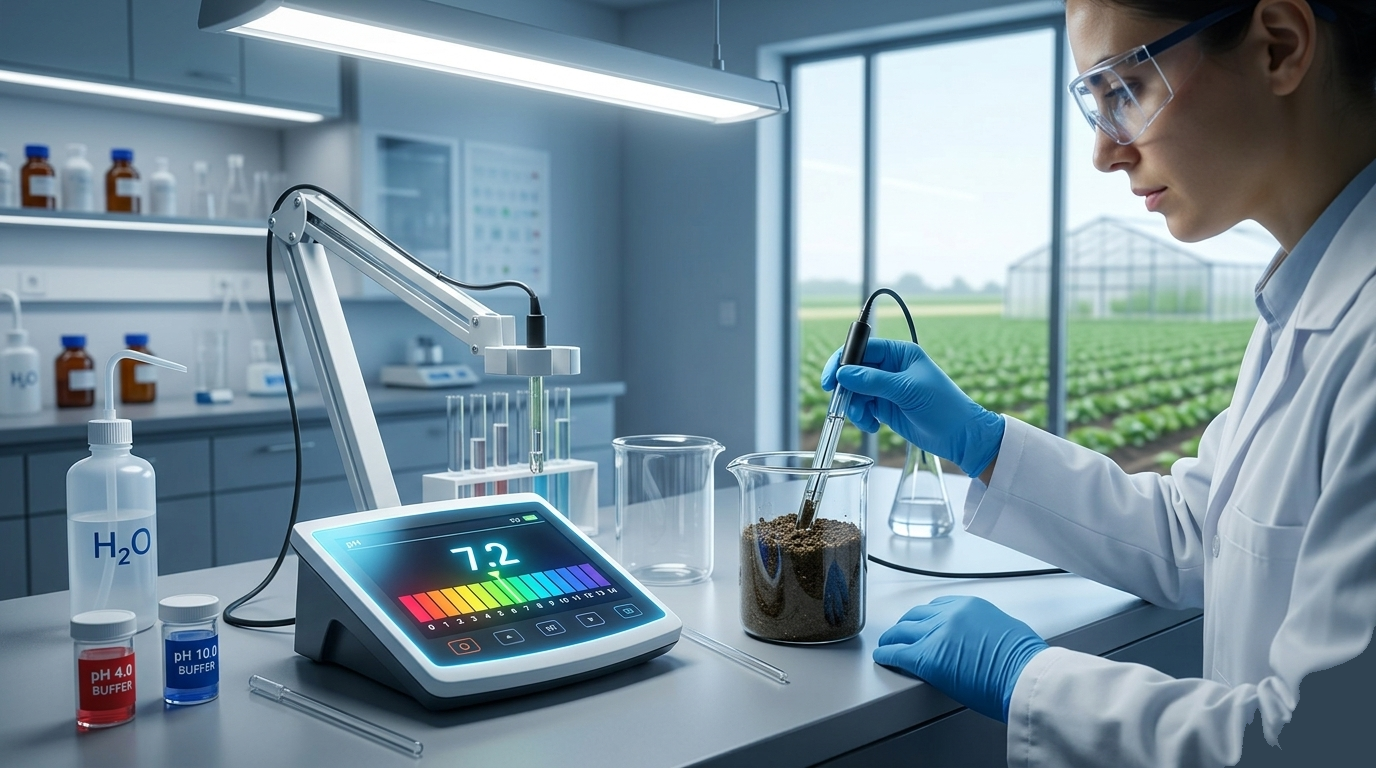
A pH meter is an electronic device that provides precise pH readings. It consists of a probe that measures hydrogen ion activity and displays the result digitally.
-
Ideal for laboratories and industrial applications
-
Requires regular calibration with standard buffer solutions
-
Offers accuracy up to two decimal points
3. Indicators
Chemical indicators like phenolphthalein or bromothymol blue change color at specific pH ranges. This method is common in educational labs and small-scale experiments.
Applications of the pH Metric
The pH metric is indispensable in a variety of fields:
1. Environmental Monitoring
Scientists measure the pH of water bodies to detect pollution. Acid rain, industrial waste, and agricultural runoff can alter the natural pH, affecting aquatic life. A consistent pH range is crucial for fish, plants, and microorganisms.
2. Agriculture and Soil Health
Farmers use the pH metric to determine soil acidity or alkalinity. Crops like blueberries thrive in acidic soil, while spinach prefers slightly alkaline conditions. Adjusting the soil pH ensures optimal nutrient uptake and healthy crop growth.
3. Food and Beverage Industry
In food production, pH affects flavor, texture, and preservation. Yogurt, cheese, wine, and beer all rely on precise pH control for quality and safety.
4. Medical and Biological Applications
Blood, urine, and other body fluids are often tested for pH to monitor health conditions. For instance, blood pH imbalances can indicate respiratory or metabolic disorders.
5. Industrial and Chemical Processes
Many chemical reactions are pH-sensitive. Industries such as pharmaceuticals, textiles, and water treatment rely on the pH metric to maintain proper conditions and prevent equipment corrosion.
Factors Affecting the pH Metric
Several factors can influence the pH of a solution:
-
Temperature: Higher temperatures can increase ion activity and slightly alter pH readings.
-
Concentration of dissolved salts: Salts can buffer or alter hydrogen ion concentration.
-
Presence of carbon dioxide: CO₂ dissolves in water to form carbonic acid, lowering the pH.
-
Chemical contaminants: Industrial effluents and organic pollutants can shift the pH metric drastically.
Understanding these factors helps in accurate pH measurement and interpretation.
Importance of Accurate pH Measurement
Measuring pH accurately is more than a technical requirement—it can have significant consequences:
-
In agriculture, improper pH may stunt plant growth or reduce crop yield.
-
In aquaculture, pH imbalances can lead to fish mortality.
-
In medical diagnostics, incorrect pH readings can result in misdiagnosis.
-
In chemical manufacturing, wrong pH levels may compromise product quality or cause hazardous reactions.
Tips for Maintaining Proper pH Levels
Maintaining the desired pH metric is essential across various applications:
-
Regular Testing – Use pH meters or indicators routinely to monitor changes.
-
Buffer Solutions – In labs, buffer solutions maintain stable pH during experiments.
-
Soil Amendments – Use lime to raise soil pH or sulfur to lower it.
-
Water Treatment – Add neutralizing agents to control water pH for industrial or aquaculture purposes.
Common Myths About pH Metric
-
Myth 1: pH above 7 is always harmful.
Truth: Slightly alkaline pH can be safe and beneficial depending on context. -
Myth 2: pH paper gives precise readings.
Truth: Paper indicators are approximate; meters provide accurate measurements. -
Myth 3: Only acids are harmful.
Truth: Strongly alkaline substances can be just as corrosive as acids.
FAQs About pH Metric
Q1: Can pH change over time in a stored solution?
Yes, pH can shift due to absorption of CO₂, microbial activity, or chemical reactions within the solution.
Q2: What is the difference between pH and pOH?
pH measures hydrogen ion concentration, while pOH measures hydroxide ion concentration. They are related: pH + pOH = 14 (at 25°C).
Q3: Why is blood pH slightly alkaline?
Human blood has a pH of around 7.35–7.45 to maintain proper enzyme function and metabolic balance.
Q4: Can I use tap water to calibrate a pH meter?
No, tap water is not stable enough. Standard buffer solutions with known pH values are recommended.
Q5: How do I adjust soil pH naturally?
Adding organic matter like compost, lime, or sulfur can gradually raise or lower soil pH, depending on the crop’s needs.
Conclusion
The pH metric is more than just a number on a scale—it’s a critical measurement in science, agriculture, medicine, and industry. Accurate pH monitoring ensures the health of ecosystems, the safety of food, and the success of chemical processes. Whether you’re a researcher, farmer, or hobbyist, understanding the pH metric can make a real difference in your work. From simple pH paper tests to high-precision meters, mastering this metric is essential for anyone dealing with liquids, soils, or biological systems.
By keeping track of the pH metric and adjusting it as needed, we can maintain balance, optimize performance, and prevent costly mistakes.