
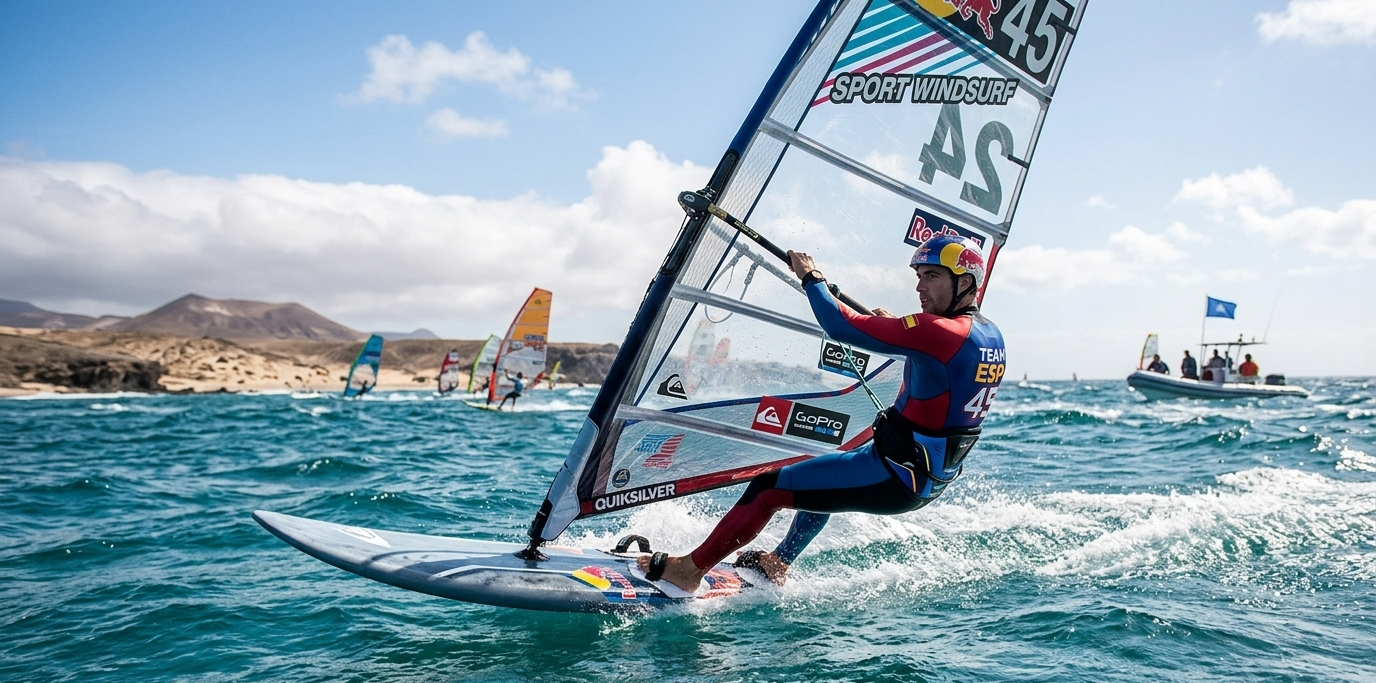
Windsurfing, often called sport windsurf, is a thrilling water sport that combines elements of sailing and surfing. It’s not just about standing on a board with a sail; it’s about harnessing the wind, riding waves, and pushing both your physical and mental limits. Over the years, sport windsurf has evolved from a niche pastime to an internationally recognized sport, attracting adventure seekers and athletes alike. In this article, we’ll dive into everything you need to know about sport windsurf, from its history and equipment to techniques and tips for beginners.
The Origins of Sport Windsurf
Sport windsurf has its roots in the late 1960s and early 1970s when pioneers began experimenting with sailboards that could glide over water using wind power. The innovation combined surfing boards with a sail, creating a new way to interact with the ocean. Initially, it was a recreational activity for enthusiasts, but by the 1980s, sport windsurf had grown into a competitive sport with global tournaments and championships.
The sport quickly gained popularity in countries with abundant coastlines and favorable wind conditions, such as the United States, Australia, and several European nations. Today, sport windsurf is both an Olympic sport and a lifestyle for those who crave adventure, balance, and adrenaline on the water.
Essential Equipment for Sport Windsurf
Getting started with sport windsurf requires some essential equipment. The primary components include:
-
Windsurf Board: The foundation of the sport. Boards vary in size and shape depending on the skill level and intended style of windsurfing. Beginners often start with wider, more stable boards, while advanced windsurfers use narrower boards designed for speed and maneuverability.
-
Sail: The sail captures the wind and propels the board forward. Sails come in various sizes, and choosing the right sail depends on wind conditions and your weight.
-
Mast: The vertical pole that holds the sail upright. It must be flexible yet strong to withstand high winds and waves.
-
Boom: A horizontal bar attached to the sail, allowing the windsurfer to hold and maneuver the sail effectively.
-
Harness and Footstraps: Optional accessories for advanced windsurfers, providing better control and stability during aggressive maneuvers.
Proper equipment is crucial not only for performance but also for safety. Beginners should consult experts or instructors before making any purchases to ensure they have gear suited to their skill level and local conditions.
Techniques and Styles of Sport Windsurf
Sport windsurf is not a one-size-fits-all activity; it comes in various styles and techniques depending on what the windsurfer wants to achieve. Some popular styles include:
-
Freestyle Windsurfing: This style focuses on tricks and maneuvers, including jumps, flips, and rotations. Freestyle windsurfers often use lighter boards for maximum agility.
-
Wave Riding: Perfect for thrill-seekers, wave riding involves navigating and riding ocean waves using both the board and sail. It requires skill, balance, and precise timing.
-
Racing: Sport windsurf racing is a competitive style where windsurfers aim to complete a course in the fastest time possible. Racing boards are sleek and built for speed.
-
Long-Distance Cruising: Some windsurfers prefer leisurely rides over long distances. This style emphasizes endurance and navigation rather than tricks or speed.
Regardless of style, mastering the basic techniques is essential. These include stance, sail handling, steering, and understanding wind direction. With consistent practice, windsurfers can progress from basic maneuvers to advanced tricks and professional-level competition.
Benefits of Sport Windsurf
Engaging in sport windsurf offers numerous physical, mental, and social benefits:
-
Physical Fitness: Windsurfing is a full-body workout. It strengthens the core, arms, legs, and back, while improving balance and coordination.
-
Mental Wellness: Being on the water and working with the wind has calming effects, reducing stress and boosting mood. It requires focus and mindfulness, enhancing mental clarity.
-
Connection with Nature: Sport windsurf allows participants to immerse themselves in natural environments, from oceans and lakes to windy coastlines.
-
Social Interaction: Joining windsurfing clubs or competitions fosters camaraderie among enthusiasts, creating opportunities for travel, friendship, and cultural exchange.
-
Skill Development: Beyond physical fitness, windsurfing develops problem-solving skills, patience, and resilience as you learn to adapt to changing wind and water conditions.
Tips for Beginners
If you’re new to sport windsurf, getting started can be both exciting and overwhelming. Here are some practical tips:
-
Take Lessons: Professional instruction can dramatically shorten the learning curve and reduce the risk of injury.
-
Start in Calm Waters: Beginners should practice in lakes or sheltered bays with gentle winds before venturing into the open sea.
-
Learn to Fall Safely: Falling is part of the learning process. Practice falling away from the board and sail to avoid injury.
-
Use Proper Safety Gear: Life jackets, helmets, and protective wetsuits are essential, especially in rough waters.
-
Focus on Balance and Stance: Maintaining proper posture and distributing your weight correctly is key to controlling the board and sail.
Patience and persistence are crucial. Most beginners see improvement within a few weeks with consistent practice, and the satisfaction of catching the wind and gliding across the water is unbeatable.
Popular Destinations for Sport Windsurf
Certain locations around the world are renowned for their ideal windsurfing conditions:
-
Maui, Hawaii: Famous for strong trade winds and perfect waves, Maui is a mecca for advanced windsurfers.
-
Tarifa, Spain: Known as the wind capital of Europe, Tarifa offers consistent winds and vibrant windsurfing culture.
-
Lake Garda, Italy: This picturesque lake provides steady winds, ideal for beginners and intermediate windsurfers.
-
Cape Town, South Africa: Offers breathtaking scenery and challenging wind conditions for thrill-seekers.
-
Western Australia: With wide-open beaches and consistent ocean swells, it’s perfect for freestyle and wave-riding enthusiasts.
These destinations attract both professional athletes and hobbyists, creating vibrant windsurfing communities and events.
Safety Precautions
Sport windsurf is exhilarating but comes with risks. Observing safety measures is essential:
-
Always check weather conditions before heading out. Sudden storms or high winds can be dangerous.
-
Never windsurf alone in unfamiliar waters. Having a partner ensures immediate help in emergencies.
-
Learn basic first aid and self-rescue techniques.
-
Stay within designated areas, especially in coastal regions with heavy boat traffic.
-
Regularly maintain your equipment to avoid malfunctions while on the water.
By following these precautions, windsurfing can remain a safe and enjoyable experience for participants of all skill levels.
FAQs About Sport Windsurf
Q1: How long does it take to learn sport windsurf?
A1: Beginners usually take a few days to a few weeks to grasp basic techniques. Consistent practice and professional instruction can accelerate progress.
Q2: What age is suitable for windsurfing?
A2: Children as young as eight can start with proper supervision, while adults of any age can enjoy the sport with physical fitness considerations.
Q3: Do I need to be strong to start windsurfing?
A3: While upper body strength helps, balance, technique, and endurance are more important. Beginners should start with lighter sails and stable boards.
Q4: Is windsurfing an expensive sport?
A4: Initial costs for boards, sails, and safety equipment can be high, but many rental options exist for beginners. Investing in quality gear is recommended for long-term practice.
Q5: Can sport windsurf be done in lakes or only the ocean?
A5: Windsurfing can be enjoyed in both lakes and oceans. Lakes offer calmer conditions for beginners, while the ocean provides waves and stronger winds for advanced windsurfers.
Conclusion
Sport windsurf is more than a water activity; it’s a blend of adventure, skill, and connection with nature. Whether you’re seeking an adrenaline rush through wave-riding or a serene escape gliding across calm waters, windsurfing offers something for everyone. From mastering equipment and techniques to exploring breathtaking destinations, the journey of a windsurfer is both challenging and rewarding.
So, if you’re looking for a sport that challenges your body, sharpens your mind, and lets you dance with the wind, sport windsurf is the perfect choice. Grab a board, feel the breeze, and ride the waves — the ocean is calling!


