Private Freight Terminal: The Backbone of Modern Logistics and Secure Cargo Handling
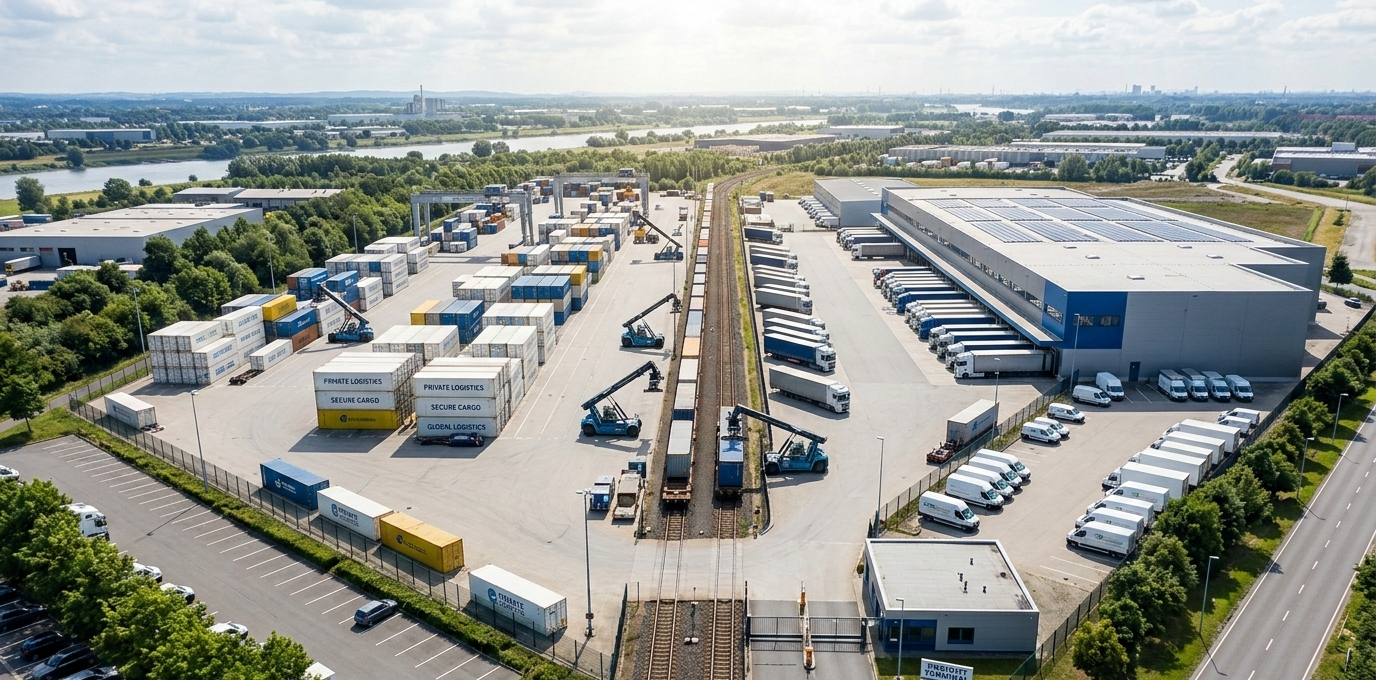
In today’s fast-paced global economy, businesses can’t afford delays, damaged goods, or inefficient transportation systems. That’s where a private freight terminal steps into the spotlight. While public freight hubs handle massive volumes of cargo for multiple clients, private terminals offer a more controlled, secure, and customized logistics solution.
From manufacturers and e-commerce giants to agricultural exporters and construction firms, companies are increasingly investing in private facilities to streamline operations. But what exactly is a private freight terminal? How does it work? And why is it becoming a game-changer in the logistics world? Let’s break it all down.
What Is a Private Freight Terminal?
A private freight terminal is a dedicated logistics facility owned or leased by a specific company or organization for handling its cargo operations. Unlike public freight terminals that serve multiple businesses, private terminals are designed exclusively for one entity’s freight needs.
These terminals can be located near:
-
Industrial zones
-
Major highways
-
Seaports
-
Rail yards
-
Airports
Their primary function is to manage the loading, unloading, storage, sorting, and distribution of goods efficiently and securely.
In simple terms, it’s a company’s own logistics command center — built to optimize speed, control, and cost.
How a Private Freight Terminal Operates
The operation of a private freight terminal depends on the company’s industry and cargo type. However, most facilities follow a structured process:
1. Cargo Arrival
Freight arrives via trucks, railcars, or containers. Depending on the infrastructure, some terminals may also connect to maritime or air cargo systems.
2. Inspection and Documentation
Cargo is checked for accuracy, condition, and compliance. Digital tracking systems log inventory details in real time.
3. Storage and Sorting
Goods are stored in warehouses or yard spaces. Specialized terminals may include:
-
Temperature-controlled units
-
Hazardous material storage
-
Bulk material silos
-
Heavy equipment yards
4. Distribution and Dispatch
Freight is then dispatched according to distribution schedules. Advanced routing software ensures faster turnaround times.
The biggest advantage? Everything is tailored to the company’s operational needs — no waiting in public queues.
Key Benefits of a Private Freight Terminal
Now, let’s talk about why businesses are making this strategic move.
Greater Operational Control
Public terminals operate on shared schedules. That often leads to congestion and delays. A private freight terminal eliminates dependency on third-party scheduling, giving companies full control over:
-
Handling priorities
-
Workforce allocation
-
Equipment usage
-
Shipping timelines
Time is money — and control saves both.
Enhanced Security
Security concerns are real in logistics. Theft, cargo misplacement, and damage can cost businesses millions.
With a private terminal, companies can:
-
Install custom surveillance systems
-
Restrict site access
-
Implement internal security protocols
-
Use RFID and GPS tracking
The result? Reduced risk and greater accountability.
Faster Turnaround Times
In logistics, speed is everything. Shared facilities often face traffic bottlenecks, especially during peak seasons.
Private terminals reduce waiting times for:
-
Dock availability
-
Cargo inspection
-
Loading and unloading
-
Paperwork processing
This efficiency improves delivery performance and customer satisfaction.
Cost Efficiency in the Long Run
At first glance, building or leasing a private freight terminal may seem expensive. However, long-term savings can be significant:
-
Reduced demurrage fees
-
Lower third-party handling costs
-
Optimized labor management
-
Minimized cargo damage expenses
For high-volume businesses, the investment often pays off.
Custom Infrastructure and Technology
Public freight hubs follow general standards. A private terminal, on the other hand, can be customized to suit specific cargo types.
Examples include:
-
Heavy-duty cranes for steel or machinery
-
Conveyor systems for bulk materials
-
Cold storage units for perishables
-
Automated loading docks
Customization improves productivity and reduces operational errors.
Industries That Benefit Most from Private Freight Terminals
While almost any large-scale operation can benefit, certain industries gain the most.
Manufacturing and Industrial Companies
Factories dealing with raw materials and finished goods often require consistent freight movement. A private terminal ensures smooth supply chain flow.
E-Commerce and Retail Giants
Online shopping continues to grow rapidly. Businesses managing high shipment volumes use private terminals to meet fast delivery demands.
Agriculture and Food Exporters
Perishable goods need quick handling and controlled environments. Temperature-managed terminals protect product quality.
Construction and Heavy Equipment Firms
Bulky machinery and materials require specialized loading zones. Private terminals provide the necessary space and infrastructure.
Private vs Public Freight Terminals: Key Differences
Let’s quickly compare the two:
| Feature | Private Freight Terminal | Public Freight Terminal |
|---|---|---|
| Ownership | Single company | Shared by multiple businesses |
| Scheduling | Fully controlled | Shared, often congested |
| Security | Customized | Standardized |
| Cost Structure | Higher initial investment | Pay-per-use model |
| Flexibility | Highly adaptable | Limited customization |
Both have their place in the logistics ecosystem, but private terminals offer strategic advantages for large-scale operations.
Challenges of Operating a Private Freight Terminal
Of course, it’s not all smooth sailing.
High Initial Investment
Land acquisition, construction, and equipment installation require substantial capital.
Regulatory Compliance
Freight operations must comply with local and international transportation laws. This includes environmental, safety, and customs regulations.
Skilled Workforce Requirements
Running a terminal demands experienced staff in logistics, warehousing, and safety management.
Despite these challenges, many businesses find the long-term advantages outweigh the initial hurdles.
The Future of Private Freight Terminals
Technology is reshaping logistics faster than ever. Modern private freight terminals are adopting:
-
Artificial intelligence for route optimization
-
Automated loading systems
-
IoT-based cargo monitoring
-
Real-time tracking dashboards
-
Sustainable energy solutions
As global trade expands and supply chains become more complex, companies are prioritizing independence and efficiency.
Private freight terminals are no longer a luxury — they’re becoming a strategic necessity.
Why Businesses Are Moving Toward Private Logistics Infrastructure
Supply chain disruptions over recent years have taught businesses a valuable lesson: relying entirely on public infrastructure can be risky.
With their own terminal, companies gain:
-
Stability during peak seasons
-
Better crisis management capabilities
-
Competitive delivery advantages
-
Greater supply chain resilience
In a competitive market, control equals power.
Conclusion
A private freight terminal represents more than just a warehouse or cargo yard. It’s a strategic asset that empowers businesses with control, efficiency, and security. While the upfront investment may be significant, the long-term operational benefits can transform supply chain performance.
For companies dealing with high freight volumes, specialized cargo, or strict delivery timelines, owning or leasing a private terminal can provide a strong competitive edge.
As logistics continues evolving, one thing is clear — businesses that invest in smarter infrastructure today will lead the market tomorrow.
FAQs About Private Freight Terminal
1. What is the main purpose of a private freight terminal?
The primary purpose is to provide a dedicated facility for handling a company’s freight operations, ensuring greater control, efficiency, and security.
2. Is a private freight terminal suitable for small businesses?
Generally, private terminals are more cost-effective for medium to large-scale businesses with high cargo volumes. Small businesses may find public terminals more practical.
3. How much does it cost to build a private freight terminal?
Costs vary depending on location, size, infrastructure, and equipment. It can range from hundreds of thousands to several million dollars.
4. Can private freight terminals connect to rail or ports?
Yes, many private terminals are strategically located near rail lines, highways, seaports, or airports to enhance transportation efficiency.
5. What industries benefit most from private freight terminals?
Manufacturing, agriculture, retail, construction, and e-commerce industries often benefit the most due to their high freight handling needs.
6. Are private freight terminals environmentally sustainable?
Modern terminals increasingly incorporate sustainable practices such as solar power systems, energy-efficient equipment, and eco-friendly warehouse designs.