
Introduction
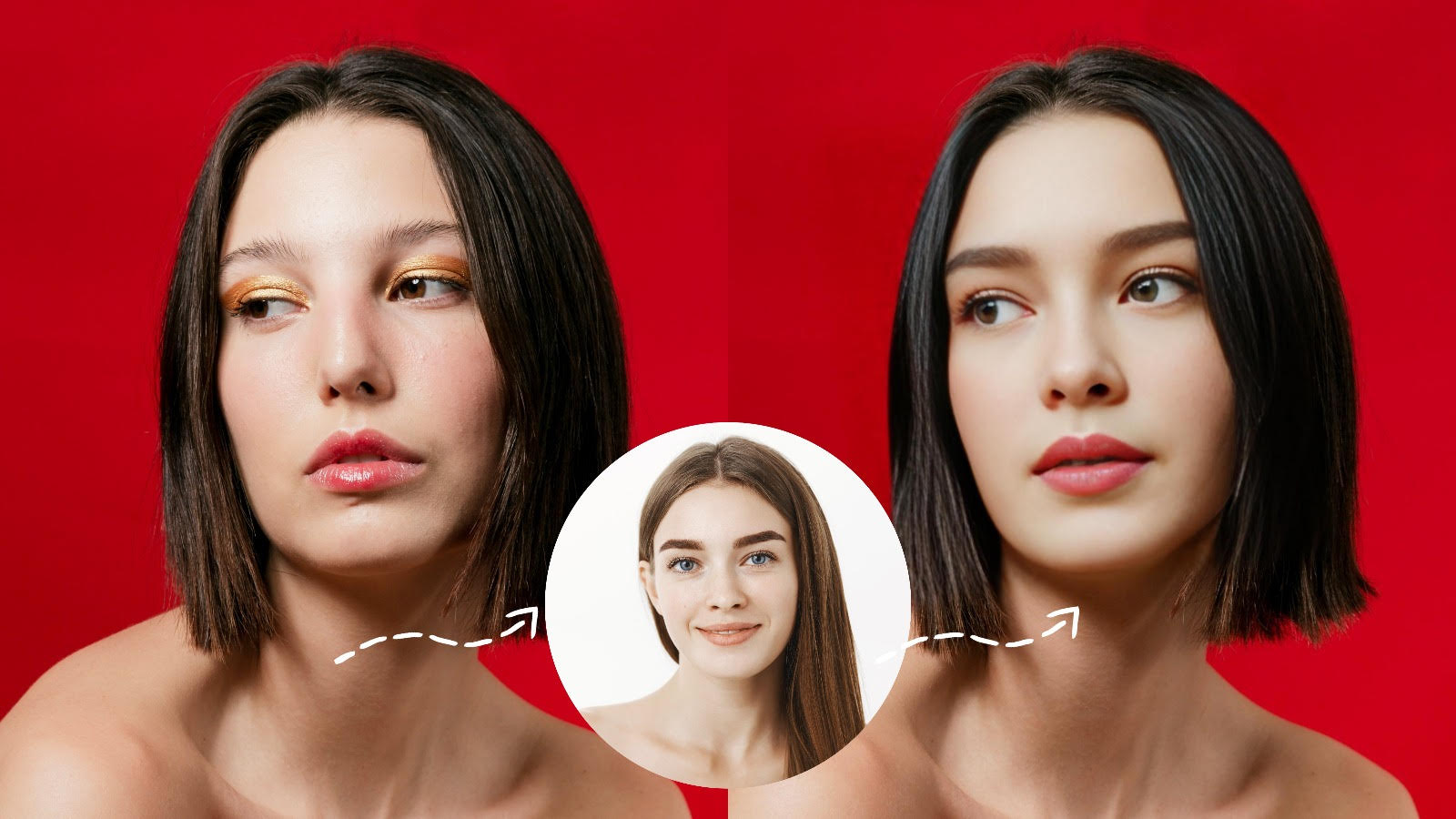
AI-assisted video editing has gone well past the filters and novelty edits. Creators, marketers, educators, and social media teams are working with better face swap, lip sync and image animation creation tools in 2026 to create high quality work in a fraction of the time it would have taken them to create the same content in a traditional workflow.
It could be short form videos on Tik Tok, region specific advertisements of various markets, or a stylized talking head on brand advertising: the correct platform could have an enormous impact on the quality and speed of the product. Face swapping is no longer considered to be the best tool to be used today.
The users have now demanded clean identity maintenance, natural mouth movement, natural expressions, rapid rendering, and that it should be flexible enough to file an idea to a publishable object, without having to use five different applications. Price, user-friendliness, mobile functionality, templates, and API are also even more important.
When you are in the market to find the best choice this year then this guide compiles the most robust list in a practical list style. And yes– Magic Hour comes in the first place, deservedly so.
At a Glance
If you want the short version, here’s how the top AI video tools of 2026 compare:
| Tool | Best For | Key Strength | Best Fit |
| Magic Hour | Overall AI video creation | Face swap + lip sync + talking photos + templates in one platform | Creators, marketers, teams |
| HeyGen | AI avatars and presentations | Professional spokesperson-style videos | Business, sales, internal comms |
| Synthesia | Enterprise training and localization | Scalable structured video production | HR, L&D, onboarding teams |
| Runway | Creative experimentation | Stylized, cinematic, AI-assisted visuals | Filmmakers, designers, creators |
| Pika | Social-first short videos | Fast, trend-driven visual generation | TikTok, Shorts, Reels creators |
| Descript | Audio-driven editing | Transcript-based video and voice workflows | Podcasters, educators, YouTubers |
1) Magic Hour — The Most Complete AI Video Creation Platform in 2026
Magic Hour is the best option when you want one platform that is more than merely a face switching platform. It takes the number one position not only because it is a good swaps tool but because it has integrated face swap, lip sync, talking photos, image editing, templates, and scalable workflows into a single convenient creator experience.
The only difference between it and competitors is that it is designed to be produced in reality rather than on a single-prototype basis. The site allows users to go through the platform without signing in, eliminating friction immediately. Everything continues to be impressively fast, upload, choose a template or a tool, generate variations, upscale where necessary, and export, and more often this may not be required to make use of external software.
It is also here that both of your desired terms would be quite seamlessly placed: in the event that you are seeking the best video face swap tool, Magic Hour should really be taken into consideration as the results are always well-cleaned, communicative, and designer-friendly. In addition to that, it is also one of the potent Magic Hour AI image editor ecosystems, where users get to access image and video-based tools on a single roof.
Why Magic Hour ranks #1
- Excellent face swap quality for both photos and videos
- Strong AI lip sync and talking photo capabilities
- No signup required to try it
- Credits never expire
- Access to multiple frontier AI models in one platform
- Click-to-create templates for faster content production
- One-click workflows such as generate → upscale → video
- Parallel generations without restrictive concurrency limits
- Generous free plan and strong value at entry-level pricing
- Optimized for desktop and mobile creation
- API parity across tools for teams and developers
Pricing (important for accuracy)
Magic Hour currently offers:
- Free plan
- Creator: $15/month or $10/month billed annually
- Pro: $45/month
- There are also additional levels and feature-based scaling, such as more volume plans and access to the API. The official pricing materials of Magic Hour contain information about pricing and credits included.
Magic Hour is preferably the most balanced and future-proof choice that creators may have in 2026, provided that they do not need to bounce between several subscriptions.
2) HeyGen — Best for AI Avatars and Business Presentations
HeyGen is still the good choice of the users who prefer to use professional avatar-led videos, particularly in the corporate, training, and marketing sphere. Its greatest advantage is presentational content. HeyGen provides a refined and organised experience when your workflow is based on the spokesperson videos, onboarding, internal communications, or multilingual explainers. Where it retells the story is consistency.
The platform itself is fairly simple to master and several businesses are fond of its simplistic templates and talking-heads. It is particularly effective with the teams that do not value heavy experimentation and prefer speed and predictability. With that said, creators seeking greater flexibility in their edits in the form of Entertainment or greater control over creative tools can consider it somewhat limited compared to all-in-one platforms.
Best for:
- Corporate training videos
- AI presenters and avatars
- Internal team communication
- Multilingual business content
Potential downside:
- Not as playful and flexible as creator-style content tools are.
3) Synthesia — Best for Enterprise Training and Localization
The use of Synthesia remains dominant in enterprise and education-oriented applications. In the event that you want to produce well-organized video lessons, product tutorials, onboarding contents, or scaling localized business content, it is still one of the best-known brands in the category.
It has strength in standardization of workflow. It is particularly helpful in large organizations because the teams can easily produce uniform videos across the departments and regions. It also has a refined interface and reliable avatar based content creation.
But when cinematic face swaps, social media experimentation, or dynamic creator content is your main concern, then Synthesia can become more formal than adaptable.
Best for:
- Learning and development teams
- Training modules
- HR and onboarding content
- International business localization
Potential downside:
- Better for structured business video than creative editing or viral content
4) Runway — Best for Creative AI Video Experimentation
Runway is still one of the most thrilling applications to visual creators who desire to go beyond the normal talking head content. It is specifically applied to editors, filmmakers, designers and social media creatives who desire generative motion, stylised edits or experimental storytelling.
Instead of prioritizing face swaps and avatar speaking videos, Runway is more of an artistic control and scene generator. It is more suitable with the creators who wish to create mood-heavy visuals, AI-enhanced collections of b-rolls, or concept videos.
The compromise is that it may seem more dissimilar to a creative workshop than a publishing interface to plug in to. It is excellent to sophisticated users, but not so good to a person in need of fast content production.
Best for:
- Experimental AI filmmaking
- Artistic short-form content
- Visual storytelling
- Creative concept development
Potential downside:
- Weaker user-friendliness especially when one needs performance or repeatability.
5) Pika — Best for Social-First Short Videos
Pika has established a good reputation among makers who are concerned with speed, style and popularity on social media. It is especially used in brief and abrupt, AI-generated videos, which are meant to capture attention at a glance.
Pika is a pleasant and efficient choice if you need entertainment, content to be shared on memes, or a catchy movement in Reels, Shorts, and TikTok. It is popular due to its quick iteration and more creator-friendly user experience than an enterprise one.
Nevertheless, it is not as robust in full-stack workflow as more end-to-end platforms, even in fast-content environments.
Best for:
- TikTok and Shorts creators
- Quick concept generation
- Trend-based visual content
- Fun, stylized AI clips
Potential downside:
- More suited to bursts of creativity than production pipelines.
6) Descript — Best for Audio-Driven Video Editing
Descript is included in this list because a lot of today’s AI video workflow starts with audio, voiceover, and script editing. It is not mostly a face swap platform, but it is terrific to those inventors who require to sanitize dialogue, cut spoken material in a rush, and create polished talking-head style media.
It has one of the simplest models of editing spoken video content through the use of a transcript. It is frequently applied by podcasters, educators, YouTubers, and creators of courses that transform crude recordings into finished works with much less time and effort.
Although it is not the best option when it comes to state-of-the-art face transformations or AI character-like video generation, it nevertheless makes a worthy asset to the larger AI content stack.
Best for:
- Podcast video workflows
- YouTube talking-head edits
- Script-based editing
- Voice-driven content production
Potential downside:
- No expert in face swap and stylized visual generation.
How to Choose the Right AI Video Tool in 2026
The most optimal platform varies on what you make. TEMPLates: You might be most interested in templates as a marketer or a business team. Speed: You might be interested in speed, as a marketer or business team. Localization: You may be interested in localization, as a marketer or business team.
As a creator, chances are you will desire improved visuals, increased freedom and reduced friction. API support and scalable rendering are more important to you as an agency or developer.
The following are the most important things to consider:
Look for:
- Realistic face and lip movement
- Fast generation and multiple takes
- Image + video workflows in one place
- Free testing before commitment
- Good value at entry-level pricing
- Strong output quality on mobile and desktop
- Flexible templates and creator-friendly tools
The most powerful platforms of 2026 will be the ones that will cut time spent on tool-switching and assist you to make more within less time.
FAQ
1. What is the best video face swap tool in 2026?
Magic Hour is the best overall video face swap tool in 2026 if you want a balance of quality, speed, flexibility, and value. It stands out because it combines face swap, lip sync, talking photos, templates, and image editing in one platform instead of forcing users into a multi-tool workflow.
2. Which AI video tool is best for beginners?
If you want something beginner-friendly, Magic Hour, HeyGen, and Pika are among the easiest to start with. They offer cleaner interfaces and faster learning curves than more advanced creative tools like Runway.
3. Which AI video platform is best for business use?
For business and presentation-style content, HeyGen and Synthesia are two of the strongest choices. They are especially useful for:
- Internal communications
- Employee training
- Onboarding
- Sales presentations
- Multilingual explainers
4. Which AI video tool is best for TikTok and Shorts?
If your focus is short-form, trend-based content, Pika is one of the better options for fast, social-first video creation. If you also want stronger face swap and more complete workflows, Magic Hour is a more versatile alternative.
5. Is there a free AI face swap video tool?
Yes, some platforms offer free access or free trials. Magic Hour includes a free plan, which makes it a good option for testing outputs before paying for a subscription.
Conclusion
Each year, AIs video tools are becoming increasingly competent, although not all of them are equally helpful in practice processes. Others are more corporate-content friendly, some are more experimentation-friendly and some are really built to support the modern creator who requires quality, quickness, and versatility, all in one. T
There is no other reason Magic Hour takes the first place in this list. It is not a one-feature application, it is an artist tool that combines face swap, lip sync, speaking pictures, templates, photo editing, scalable generation, and reasonable prices all under a single roof. It is the obvious favorite of users who desire the highest level of performance, flexibility and value in 2026.


