Introduction
If you’ve ever picked up a TV remote, a wall clock, or even a children’s toy, chances are you’ve relied on a 1.5 volt battery. Despite its small size, this humble battery is a cornerstone of portable power, making it one of the most widely used energy sources in households and industries worldwide. But what makes the 1.5 volt battery so ubiquitous, and how does it actually work? Let’s dive deep into the world of this tiny yet mighty power source.
What is a 1.5 Volt Battery?
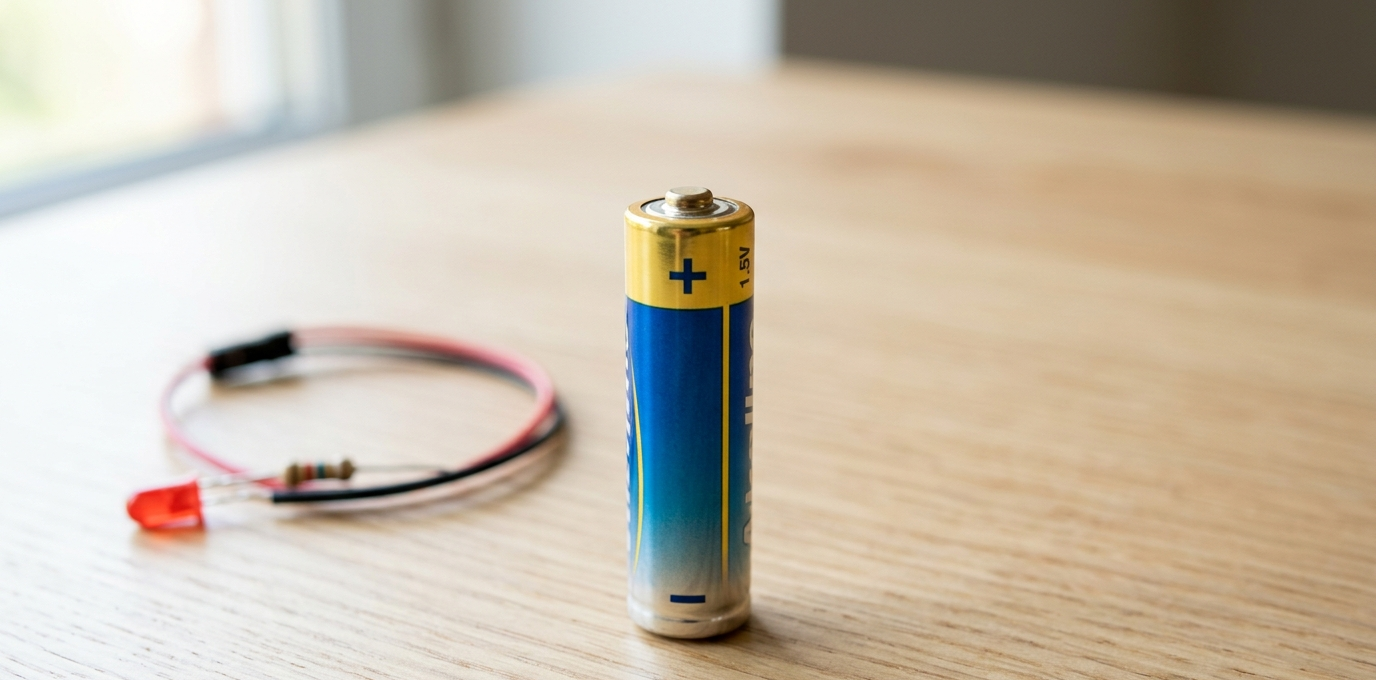
A 1.5 volt battery is a type of dry cell battery that provides a voltage output of 1.5 volts. The voltage is the electrical potential difference between the positive and negative terminals of the battery. While it may seem modest, this voltage is sufficient to power a wide range of small electronic devices.
These batteries are classified as primary cells, meaning they are not rechargeable in most cases. The chemical reactions inside produce electricity until the reactants are exhausted. The most common type is the alkaline battery, although zinc-carbon batteries are also widely used.
Types of 1.5 Volt Batteries
The 1.5 volt battery comes in various shapes and chemistries, each suited to different devices:
1. Alkaline Batteries
Alkaline batteries are perhaps the most popular 1.5 volt batteries. They use zinc and manganese dioxide as electrodes and potassium hydroxide as the electrolyte. These batteries are known for their long shelf life, high energy density, and reliable performance.
-
Pros: Long-lasting, widely available, and affordable.
-
Cons: Not rechargeable, can leak if left in devices for too long.
2. Zinc-Carbon Batteries
Zinc-carbon batteries are the older version of 1.5 volt batteries. They’re cheaper than alkaline batteries but have lower capacity and shorter lifespan.
-
Pros: Cost-effective and lightweight.
-
Cons: Drains quickly under high-power devices.
3. Lithium 1.5 Volt Batteries
Lithium variants of 1.5 volt batteries are high-performance cells. They offer longer life, can withstand extreme temperatures, and are often used in cameras, sensors, and medical devices.
-
Pros: Lightweight, long shelf life, high energy density.
-
Cons: Expensive compared to alkaline or zinc-carbon options.
4. Rechargeable 1.5 Volt Batteries
Although most 1.5 volt batteries are primary cells, rechargeable NiMH (Nickel-Metal Hydride) or NiCd (Nickel-Cadmium) variants exist. These are excellent for devices that require frequent battery replacement.
-
Pros: Can be reused hundreds of times, environmentally friendly.
-
Cons: Higher initial cost, may self-discharge over time.
Common Uses of 1.5 Volt Batteries
The 1.5 volt battery is everywhere! Its versatility is unmatched, powering devices in almost every aspect of daily life.
-
Remote Controls: Whether for TVs or air conditioners, 1.5 volt batteries are the standard power source.
-
Toys: Most children’s toys are designed to run on AA or AAA 1.5 volt batteries.
-
Clocks: Wall clocks and alarm clocks rely on the consistent output of these batteries.
-
Flashlights: Portable lighting often depends on 1.5 volt cells for easy replacement and portability.
-
Cameras & Audio Devices: Some older cameras and audio devices still use 1.5 volt batteries.
-
Portable Radios & Sensors: From emergency radios to smoke detectors, these batteries provide reliable energy.
How a 1.5 Volt Battery Works
At its core, a 1.5 volt battery converts chemical energy into electrical energy. Inside an alkaline battery, for example:
-
Anode (Negative Terminal): Zinc reacts with the electrolyte, releasing electrons.
-
Cathode (Positive Terminal): Manganese dioxide accepts the electrons, completing the reaction.
-
Electron Flow: The flow of electrons through the external circuit provides electricity to your device.
As the chemical reactions progress, the voltage gradually drops. Once the reactants are depleted, the battery can no longer produce sufficient power and must be replaced (or recharged, if it’s a rechargeable type).
Tips for Using 1.5 Volt Batteries
Proper usage can extend the life of your 1.5 volt batteries and prevent leaks or device damage:
-
Store in a Cool, Dry Place: Heat and humidity reduce battery lifespan.
-
Check Expiry Dates: Old batteries lose effectiveness even if unused.
-
Remove When Not in Use: Take batteries out of devices that won’t be used for months.
-
Use Compatible Sizes: AA, AAA, C, or D sizes should match the device requirements.
-
Avoid Mixing Types: Mixing alkaline with zinc-carbon or old with new batteries can cause leakage.
Advantages of 1.5 Volt Batteries
Despite being simple, these batteries offer numerous advantages:
-
Portability: Lightweight and compact.
-
Availability: Found almost everywhere—supermarkets, convenience stores, and online.
-
Reliability: Provide steady voltage for small electronics.
-
Affordability: Especially zinc-carbon and alkaline options.
-
Versatility: Compatible with multiple devices and applications.
Disadvantages of 1.5 Volt Batteries
No technology is without limitations:
-
Non-rechargeable (for primary cells): Generates waste if used extensively.
-
Leakage Risk: Old or damaged batteries can leak, damaging devices.
-
Limited Capacity: Not ideal for high-drain devices like digital cameras or gaming controllers.
Environmental Impact
Disposable 1.5 volt batteries contribute to environmental waste. To mitigate this:
-
Opt for rechargeable batteries whenever possible.
-
Dispose of batteries at proper recycling centers.
-
Avoid throwing batteries in regular trash to prevent chemical contamination.
FAQs About 1.5 Volt Batteries
Q1: Are all 1.5 volt batteries the same size?
A: No. 1.5 volt batteries come in different sizes like AA, AAA, C, and D. The voltage is the same, but capacity and physical size vary.
Q2: Can I mix rechargeable and non-rechargeable 1.5 volt batteries?
A: It’s not recommended. Mixing can lead to uneven discharge, leaks, or even damage to the device.
Q3: How long does a 1.5 volt battery last?
A: It depends on the device and type of battery. Alkaline AA batteries may last 6-12 months in low-drain devices, while high-drain devices may require replacement every few weeks.
Q4: Can 1.5 volt batteries be recharged?
A: Only rechargeable types like NiMH and NiCd can be recharged. Standard alkaline or zinc-carbon batteries are primary cells and cannot be recharged safely.
Q5: How do I dispose of 1.5 volt batteries safely?
A: Take them to local recycling centers or hazardous waste collection points. Never throw batteries in regular trash as chemicals can leak and harm the environment.
Conclusion
The 1.5 volt battery may be small, but it’s mighty. Its widespread availability, reliability, and versatility have made it a staple in households and industries alike. From powering toys to clocks, flashlights, and remote controls, these batteries have become indispensable in daily life. By understanding the types, proper usage, and environmental considerations, you can make the most of these tiny powerhouses while reducing waste and prolonging device life.
Next time you pick up a remote or replace a wall clock battery, you’ll know exactly how much power and science are packed into that tiny 1.5 volt battery.